
Louisiana Motorcycle Laws: Helmet, Lane & Safety Rules Every Rider Should Know
September 25, 2019 @ 9:30 am
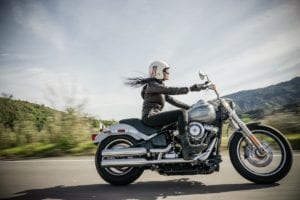
Understanding Louisiana motorcycle laws is one of the most important steps riders can take to stay safe and legally protected on the road. As the number of bike enthusiasts continues to grow and more cyclists drive more miles, the likelihood of being involved in a motorcycle accident increases too — even when motorcyclists are doing everything right.
In 2018, the National Motorcycle Institute released Nobody Told Me That Motorcycles Are So
Dangerous, a paper on understanding the danger of motorcycling in the USA. The report claimed that driving a motorcycle is 38 times more dangerous than driving a car — even when motorcycle drivers do everything right. The first step for all of us toward keeping motorcyclists safe and avoiding accidents is to understand the laws governing motorcycle use.
Important Motorcycle Laws in Louisiana
- RS 32:408: Operators must have an M endorsement on their license. In order to operate a motorcycle, motorized bicycle, moped or other motorized vehicle in excess of 5 horsepower on Louisiana’s streets, roads or highways, drivers must earn an M endorsement on their driver’s license. An M endorsement says that the driver has either passed a motorcycle road rules test and skills test or has completed a Department of Public Safety Motorcycle Safety Awareness and Operators Training Program.
- RS 32:190: Motorcycle-rated helmets are mandatory. Anyone—driver and passenger—riding on a motorcycle must wear a helmet made for motorcyclists. Helmets must have a lining, padding, a visor and a chin strap, and the chin strap must be fastened when the bike is in use.
- RS 32:190.1: Eye protection is mandatory. The motorcycle must have a windshield that is tall enough to protect the driver’s eyes, or the motorcyclist must wear eye protection designed for that purpose—goggles or a visor, for example. Nighttime driving requires that eye protection be clear and free of any tint.
- RS 32:191: Operators must have unimpeded control of their bike. Motorcyclists must be sitting on their bike properly—on a permanent seat, facing forward. Operators are not allowed to carry any bundles or packages that would interfere with their ability to keep both hands on the handlebars; both hands must be free to control the bike. They’re also not allowed to carry any passengers that might interfere with their ability to see or operate the vehicle safely. Any passengers must ride either astride within a permanent passenger seat or in an appropriate seat attached at the rear or side. Any child passengers must be at least 5 years old and must wear a helmet. Infant or child safety seats are not permitted.
- RS 32:191.1: Lane laws apply to motorcycles. Motorcycles have the right to an entire traffic lane all to themselves, and other vehicles should not deprive motorcyclists of any portion of that lane. Likewise, no motorcyclist should attempt to share a lane with another vehicle or ride between lanes. Bikes are specifically prohibited from going between rows of vehicles—to pass through slow or stopped traffic, for example. Motorcyclists can ride side by side in one lane but with no more than two abreast.
- RS 32:191.2: Driving tows are not allowed. Motorcyclists cannot attach themselves or their bike to another vehicle on the roadway.
- RS 32:191.3: Handlebars and footrests must be safe. Motorcycle handlebars cannot force the operator’s grip to rise above their seated shoulder height. The maximum height is 15 inches above the seat. Motorcycles must be equipped with footrests for passengers riding astride.
- RS 32:303, 304, 305 and 306: Proper lighting is mandatory. Motorcycles must have at least one white headlamp (no more than two), at least one red tail lamp that is plainly visible at 1,000 feet and clearly illuminates the rear registration plate, at least one red rear reflector and at least one stop lamp. However, motorcycles are not required to have electronic turn signals, but motorcyclists must use accepted hand signals if they don’t have them.
- RS 32:341: A brake on each wheel is mandatory. The brake can be operated by hand or foot, but to pass inspection, motorcycles must have a working brake on each wheel.
Motorcyclists also have the same responsibilities as other drivers. These include obeying all traffic safety laws, registering their bikes and keeping that registration and plate current, complying with yearly safety inspections and maintaining current motorcycle liability insurance required by Louisiana law.
What Are Louisiana’s Motorcycle Insurance Requirements?
Just like any other motor vehicle on the road, motorcycles in Louisiana must be properly insured to be operated legally. Under state law, motorcyclists are required to carry minimum liability insurance coverage that helps cover damages if they are found at fault in an accident.
Louisiana’s minimum liability insurance requirements include:
- $15,000 for bodily injury per person
- $30,000 for bodily injury per accident
- $25,000 for property damage
This is often referred to as 15/30/25 coverage. While these minimums satisfy legal requirements, they may not fully cover the costs associated with a serious motorcycle accident, where injuries and damages can quickly exceed policy limits.
It is also important for riders to understand the role of uninsured and underinsured motorist (UM/UIM) coverage. Louisiana law allows insurance companies to offer UM coverage, which can help protect motorcyclists if they are injured by a driver who has little or no insurance. Because motorcyclists are more exposed and vulnerable on the road, this additional coverage can provide critical financial protection in the event of a crash.
Failure to maintain proper insurance can result in fines, license suspension and potential vehicle impoundment. Beyond legal penalties, riding without insurance can leave motorcyclists personally responsible for medical bills, property damage and other losses after an accident.
Even when a motorcyclist follows all insurance and safety requirements, accidents can still occur due to the negligence of other drivers. In these cases, insurance claims can become complex, especially when determining liability and negotiating fair compensation for injuries, lost wages and damages. Understanding Louisiana’s motorcycle insurance requirements is an important step in protecting both your legal rights and financial well-being on the road.
What to Do After a Motorcycle Accident in Louisiana
In Southern states with mild climates, motorcyclists enjoy the roads year-round, increasing yet again the likelihood that you’ll at least see one in your daily travels. Take care to give bikes the space they’re due. A motorcycle may have just one stop or brake lamp, and it may or may not have the electronic turn signal lamps that other motorists may be counting on.
When a motorcycle accident does happen, it can be overwhelming and disorienting for everyone involved. Taking the right steps immediately after a crash (whether you are the cyclist or not) can help protect your health, your legal rights and any future personal injury claim under Louisiana law. Here are the next steps we suggest:
- Seek Medical Attention Right Away
Your health should always come first. Even if your injuries seem minor, it is important to seek medical care as soon as possible. Some injuries, such as concussions, internal trauma or soft tissue damage, may not be immediately obvious but can worsen over time. Prompt medical documentation can also support any future personal injury claim. - Call Law Enforcement and Report the Accident
In Louisiana, you should report any accident involving injuries, fatalities or significant property damage to law enforcement. An official accident report provides an objective record of what happened and may be critical evidence if liability is later disputed. - Gather Evidence at the Scene
If you are physically able, collect as much information as possible. Strong documentation can help establish fault and support your case if you pursue compensation.This may include:
- Photos of the accident scene, vehicles and road conditions
- Contact and insurance information from all parties involved
- Names and contact information of any witnesses
- Details about weather, traffic and visibility conditions
- Avoid Admitting Fault
After a motorcycle accident, emotions can run high, but it’s important to avoid making statements that could be interpreted as admitting fault. Liability in motorcycle accidents is not always immediately clear and should be determined through proper investigation. - Notify Your Insurance Company
Report the accident to your insurance provider as soon as possible. Provide accurate facts, but avoid giving recorded statements or accepting quick settlements before fully understanding the extent of your injuries and damages. - Keep Records of All Expenses and Losses
Maintain copies of medical bills, repair estimates, lost wage documentation and any other expenses related to the accident. These records are essential when calculating damages in a Louisiana personal injury claim. - Consult a Louisiana Personal Injury Attorney
Louisiana has a strict statute of limitations for personal injury cases, which generally gives you only one year from the date of the accident to file a claim. Speaking with an experienced motorcycle accident attorney early can help ensure deadlines are met, evidence is preserved and your rights are fully protected.
Taking these steps after a motorcycle accident in Louisiana can make a significant difference in both your physical recovery and your ability to pursue fair compensation for injuries, property damage and other losses.
Frequently Asked Questions for Motorcycle Use
Do you need a special license to ride a motorcycle in Louisiana?
Yes. Louisiana law requires all motorcycle operators to have a valid motorcycle endorsement (M endorsement) on their driver’s license. This endorsement is obtained by passing a skills test or completing an approved motorcycle safety course through the Louisiana Office of Motor Vehicles.
Are helmets required for motorcyclists in Louisiana?
Yes. Louisiana has a universal helmet law. Both the driver and any passengers must wear a DOT-approved helmet that includes proper padding, a chin strap and protective lining while the motorcycle is in operation.
Is lane splitting legal in Louisiana?
No. Lane splitting, or riding between lanes of traffic, is illegal under Louisiana motorcycle laws. Motorcycles are entitled to a full lane, and riders should not attempt to pass between rows of vehicles in moving or stopped traffic.
Can motorcycles share a lane with other vehicles?
Generally, no. Motorcycles may ride two abreast within a single lane, but they cannot share a lane with passenger vehicles. Other motorists must respect a motorcyclist’s right to full use of a traffic lane.
Are windshields and eye protection required?
Yes. Louisiana law requires either a windshield that adequately protects the rider’s eyes or proper eye protection such as goggles or a visor. If riding at night, eye protection must be clear and not tinted.
Do motorcycles need insurance in Louisiana?
Yes. Motorcycles must carry minimum liability insurance just like any other motor vehicle. Failing to maintain required insurance coverage can result in fines, penalties and suspension of registration.
Are passengers allowed on motorcycles in Louisiana?
Yes, but only if the motorcycle is designed to carry passengers and has a proper passenger seat and footrests. Additionally, child passengers must be at least five years old and wear a helmet.
What are the lighting requirements for motorcycles in Louisiana?
Louisiana law requires motorcycles to have at least one headlamp, a visible tail lamp, a rear reflector and a functioning stop lamp. These lighting requirements help improve visibility and reduce the risk of motorcycle accidents, especially at night.
What happens if you violate motorcycle laws in Louisiana?
Violations of Louisiana motorcycle laws can result in traffic citations, fines, points on your license and increased insurance costs. In more serious cases, violations may also impact liability in a motorcycle accident or personal injury claim.
How do Louisiana motorcycle laws affect accident claims?
Following Louisiana motorcycle laws can play a significant role in determining fault after an accident. For example, failing to wear a helmet or follow lane laws could influence how liability and damages are evaluated in a personal injury case under Louisiana law.
Involved in a Motorcycle Accident? We Can Help
If you’re a cyclist suffering from a wreck or a driver who’s been involved in an accident with a motorcyclist, you may need legal help from a personal injury lawyer experienced in motorcycle accidents. No matter which side of the accident you’re on, you could be owed compensation for personal injuries, property damage, lost wages or pain and suffering that insurance companies or other parties at fault may be reluctant to pay.
Call (800) 725-8836 to speak with one of the personal injury attorneys at Morrow, Morrow, Ryan, Basset and Haik, or schedule your free consultation with us online today.


